



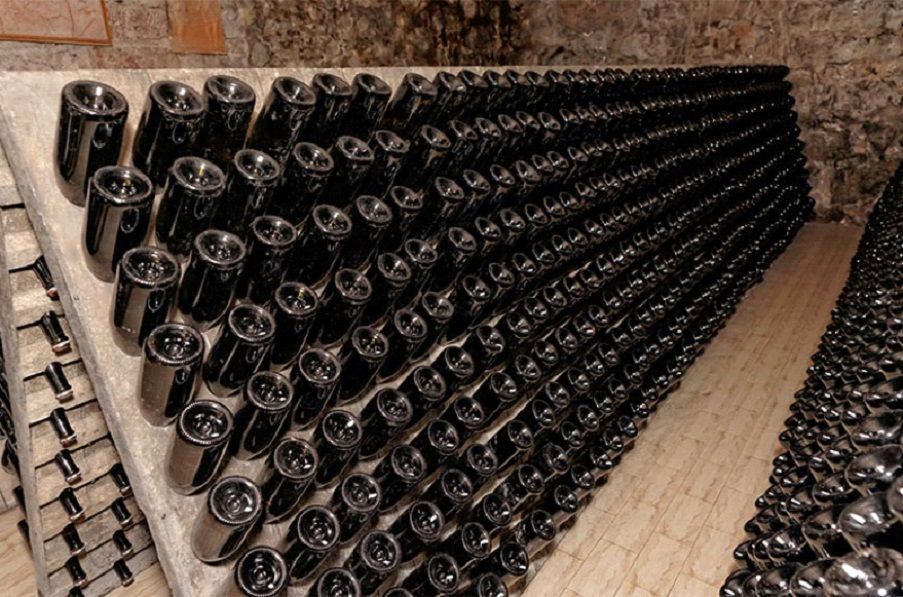
More Champagne is being opened well after release than ever before. That makes one small line on the back label suddenly very important, especially for wines that have spent long years resting quietly in cellars.
Disgorgement is when sediment is removed from a bottle and dosage is added. From that point on, the wine begins aging in a different way. Two identical bottles from the same vintage can taste and evolve very differently if their disgorgement dates are years apart.
The misconception is that vintage alone tells the full story. For decades, disgorgement dates were rarely discussed outside technical circles. Collectors assumed a 2008 Champagne behaved like any other 2008, regardless of when it left the cellar.
As secondary markets matured, differences became visible. Bottles disgorged later often showed more stability and consistency when opened, while earlier-disgorged examples reflected longer post-disgorgement aging. Quietly, buyers began favoring wines with clearly documented timelines.
Disgorgement information now influences how Champagne circulates privately. Bottles with known dates and minimal movement tend to remain in long-term collections, while those without clarity change hands more often, sometimes without anyone realizing why.
Written by Glenn Cambré
Sales & Marketing Manager
Belgium Wine Watchers